Our Teaching Model |
Our Unique Model
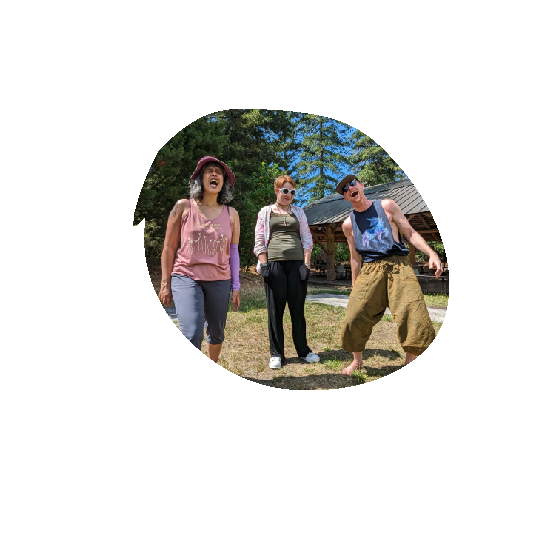
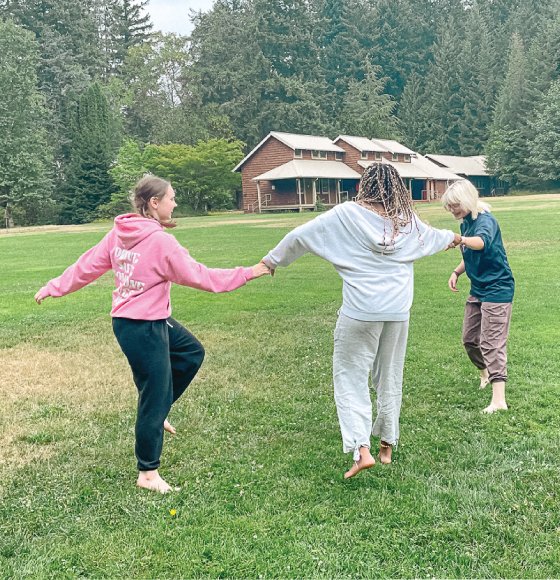
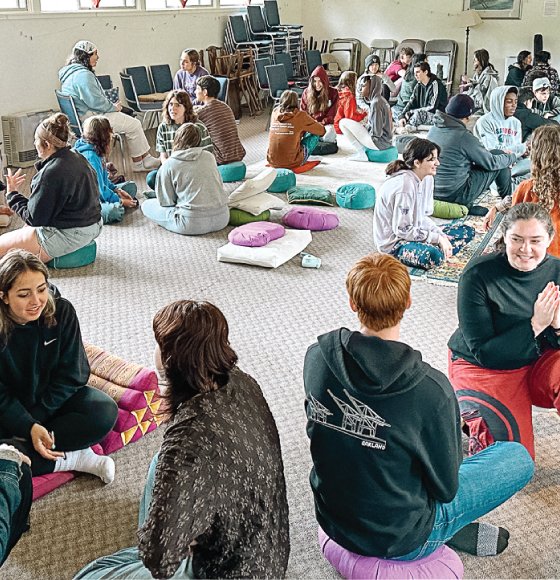
Our classes combine mindfulness practices, interactive group activities and social-emotional skills development. We engage students in fun, multisensory activities for focusing attention, calming the mind and relaxing the body. Our unique program also includes activities for improving interpersonal skills through group sharing, games, and movement that cultivate connection and empathy between students, their peers and the world around them.
Benefits
A growing body of scientific research demonstrates that mindfulness and social-emotional programs in schools improves students’:
- Concentration, learning retention and standardized test scores

- Inner resiliency and self-esteem
- Attitudes about others, empathy, social interactions and classroom behavior
- Decreases their stress and conduct problems.
Concentration
The foundational skill for practicing mindfulness is the ability to focus one’s attention in the direction of one’s own intention. We guide participants in learning to direct and redirect their focus of attention to simple objects in their immediate environment (internal & external).
By returning attention again and again to ordinary everyday objects one can develop an extra-ordinary faculty of concentration and train the brain to follow one’s internal command. This engages volition and will-power and systematically lays down stronger neuronal pathways in the brain for aiming and sustaining attention in the future.
Self-Awareness
Along with stabilizing attention the Inward Bound journey guides people to tune into the habit patterns of their mind. Participants are taught to become aware of the physical, mental and emotional filters through which they have learned to perceive and react to what life brings them. As they come to understand themselves and the habits of their mind more fully, they begin to see how the qualities of mind they create and inhabit have direct and consequential influence on the quality of their lived experience.
Brain Science
Students are taught the basics of brain science and how mindfulness training and social emotional skills develop new neuronal pathways to improve mental wellbeing. Students are guided to understand through their own direct experience how the amygdala and hippocampus (limbic structures) influence their emotional, behavioral, and motivational states of arousal in any given situation. iBme teaches teens how to calm and soothe the limbic brain regions as well as how to strengthen the higher cortical regions involved in generating compassion for self and others.
Compassion, Insight and Wisdom
Participants learn that habits of reactivity and resistance to life’s ups and downs increase stress, anxiety, and mental distress. Meanwhile, mindful attitudes and practices of being open, receptive and even curious about the same ups and downs reduces stress hormone levels, lowers blood pressure and increases emotional resilience and immune system functioning. Teens often become more discerning in the states of mind they choose to inhabit as they discover that they can begin to choose more beneficial mind states in each and every moment.
The iBme model of teaching mindfulness always involves an interactive social component to deepen the learning and expression of empathy.